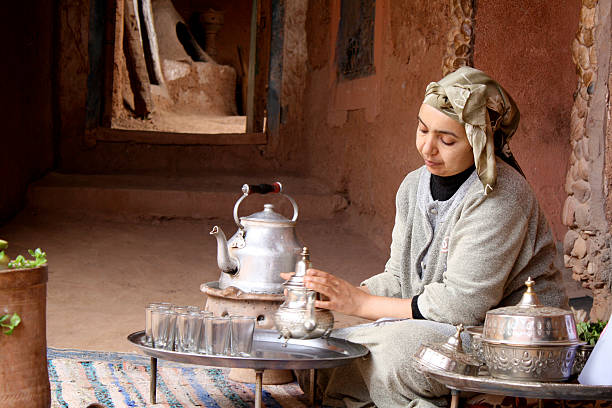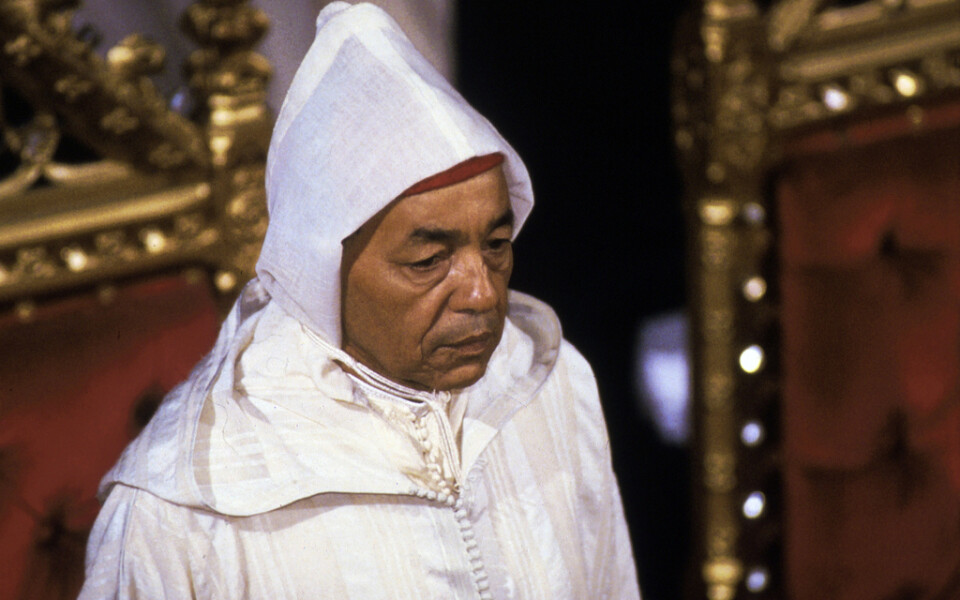
Morocco has always been a strategic commercial power, thanks to its unique geographic position and its rich cultural heritage. Since antiquity, the country has played a key role in exchanges between Africa, Europe and the Middle East, a role that continues to strengthen today.
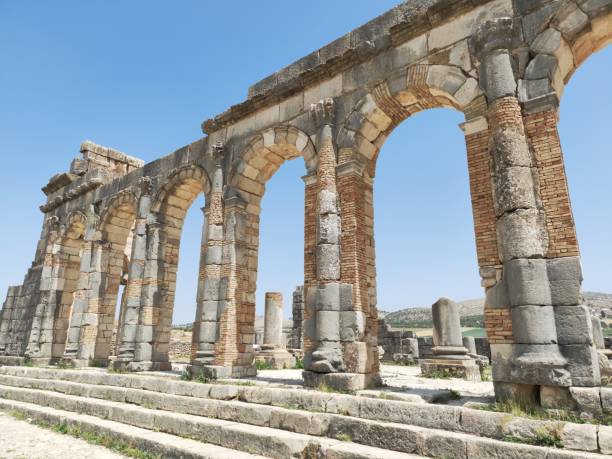
Ancient Morocco was a convergence point for caravans crossing the Sahara. Exchanged goods included spices, gold, salt and slaves. The Phoenicians and later the Romans established trading posts along the Moroccan coasts, thus facilitating exchanges between the Mediterranean and sub-Saharan Africa. The city of Volubilis is a remarkable example from this era, with its well-preserved ruins testifying to the region’s commercial importance.
In the Middle Ages, Moroccan dynasties such as the Almoravids and the Almohads expanded their commercial influence. The port of Tangier became a hub for exchanges between Europe and Africa. The caravan routes connecting the cities of Fes, Marrakech and Sijilmassa enabled the transport of valuable goods across the Sahara. Morocco also established trade links with Andalusia, contributing to the spread of Islamic culture and knowledge in Europe.
Today, Morocco continues to strengthen its role as a commercial power. The country has invested heavily in infrastructure to improve its connectivity. The port of Tanger Med, one of the largest ports in Africa, is a major logistics hub linking Africa to Europe and Asia. Morocco’s high-speed rail network, the Al Boraq TGV, connects Tangier to Casablanca, thus facilitating the transport of goods and people.
Morocco has also signed several free trade agreements, notably with the European Union and the United States, thereby opening new markets for Moroccan products. Key sectors of the Moroccan economy include agriculture, automotive, textiles and phosphates. Morocco is the world’s leading exporter of phosphates, an essential element for fertilizer production.
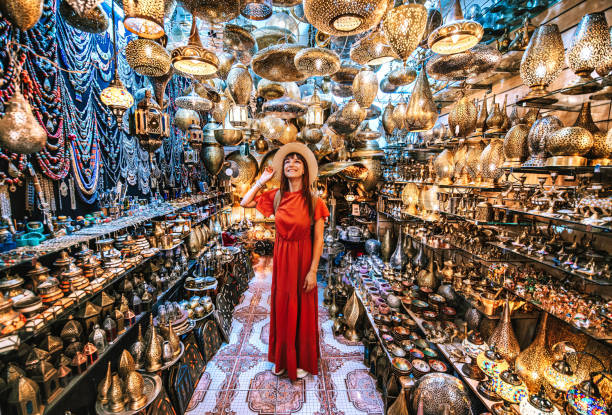
The tourism sector also plays a crucial role in the Moroccan economy. The country attracts millions of visitors each year, thanks to its diverse landscapes, historic cities and rich culture. The development of sustainable tourism is a priority for Morocco, with initiatives aimed at preserving the environment and supporting local communities.
The future of Moroccan trade looks promising, with strategies aimed at diversifying the economy and strengthening export capacities. The Green Morocco Plan seeks to modernize the agricultural sector, while the Industrial Acceleration Plan aims to develop manufacturing. Morocco Digital 2020 is an initiative designed to promote innovation and information technologies, positioning the country as a regional leader in the digital economy.
Morocco is a commercial power with a rich history and a promising future. Its strategic role in international trade, supported by investments in infrastructure and trade agreements, ensures continued economic growth.