The Alaouites have been the ruling dynasty in Morocco since the 17th century. Known for their resilience and ability to adapt, the Alaouites have defended Moroccan sovereignty against internal and external threats.
The Alaouite dynasty was founded by Moulay Ali Cherif in the early 17th century. His successor, Moulay Ismaïl, consolidated Alaouite power and launched numerous military campaigns to unify Morocco. Moulay Ismaïl is famous for having repelled attacks by rebellious tribes and foreign forces, notably the Ottomans and the Spanish.
Moulay Ismaïl also built a powerful army, composed of Berber cavalry and the Black Guard, a force of African mercenaries. He established fortresses and garrisons across the country to maintain order and defend the territory. Meknès, his capital, became a military and administrative center.
The Alaouites also played a crucial role in resisting European colonization. In the 19th century, under the reign of Moulay Abd al-Rahman, Morocco faced French and Spanish forces. The battle of Isly in 1844 was a major confrontation between Moroccan and French forces; although Morocco suffered a defeat, it marked the country’s determination to defend its sovereignty.
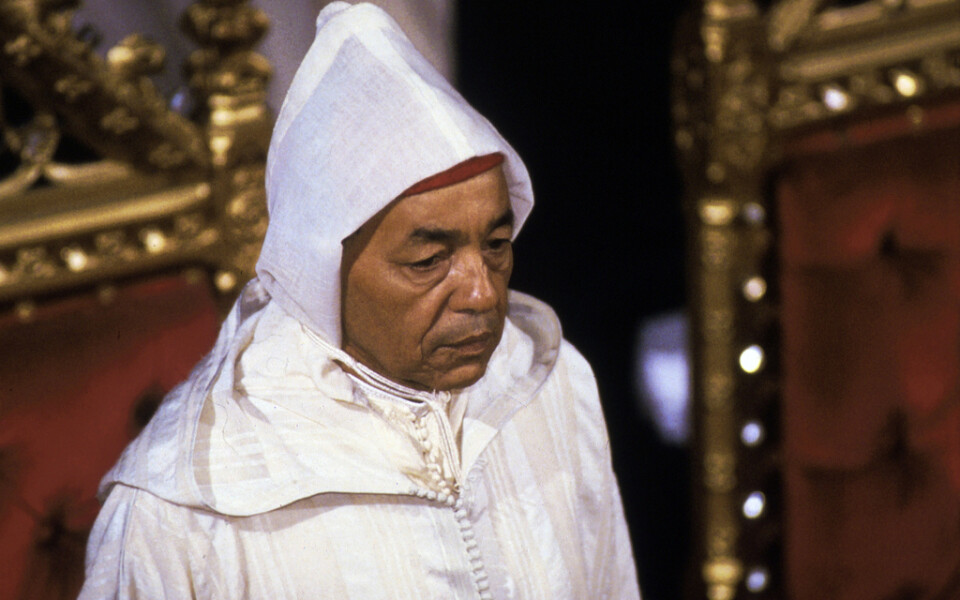
During the French and Spanish protectorate in the 20th century, the Alaouites continued to play an important symbolic and political role. Sultan Mohammed V was a key leader in the movement for Morocco’s independence. His strategy of nonviolent resistance and his negotiations with the colonial powers led to independence in 1956.
Today, the Alaouites, under the leadership of King Mohammed VI, continue to play a central role in the defense and development of Morocco. The modern Moroccan army is well equipped and trained, participating in peacekeeping missions and international cooperation. Morocco also maintains strategic alliances with countries such as the United States and members of the European Union.
The Alaouites have been the guardians of Moroccan sovereignty through the centuries, resisting invasions and colonial pressures. Their role in the defense and unification of Morocco is a source of national pride.