Islam has occupied a central place in the life and identity of Morocco for centuries. As the state religion, Islam has profoundly influenced all aspects of Moroccan society, from politics to culture and education. Let us explore the importance of Islam in Morocco and its impact on Moroccans’ daily lives.
1. History of Islam in Morocco :
Islam was introduced to Morocco in the 7th century by Arab conquerors. The conversion of the Berber tribes to Islam marked the beginning of the country’s Islamization. Over the centuries, Morocco became an important center of Islam in North Africa, with a rich and diverse religious tradition.
2. Islam and Politics :
In Morocco, Islam is not only a religion, but also a fundamental element of national and political identity. The Moroccan monarchy claims its historical legitimacy as a descendant of the Prophet Muhammad, which grants religion significant influence in the country’s political affairs.
3. Religious Life in Daily Life :
For many Moroccans, religious practice is an integral part of everyday life. The five daily prayers, the fast of Ramadan, zakat (almsgiving) and the pilgrimage to Mecca are important religious obligations for Moroccan Muslims. The mosques play a central role in community life, serving not only as places of prayer but also as educational and social centers.
4. Islam and Culture :
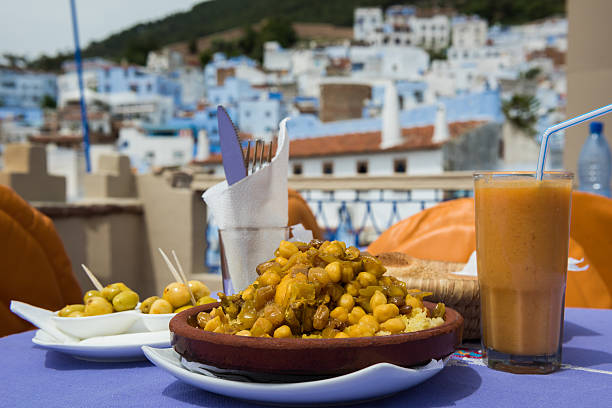
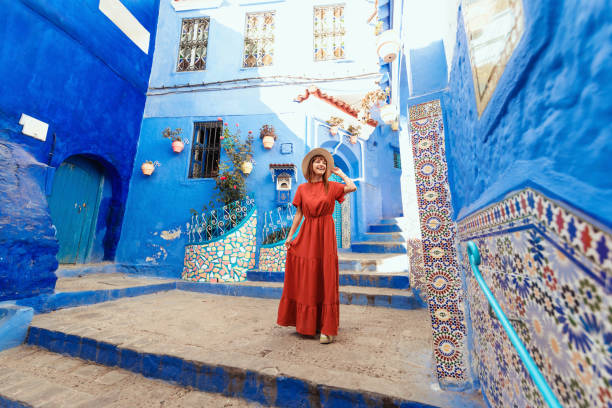
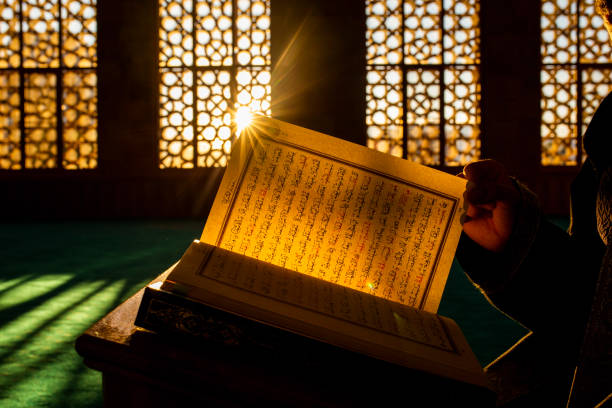
Islam has deeply permeated Moroccan culture, influencing architecture, art, music, literature and cuisine. The architecture of mosques, madrasas (religious schools) and royal palaces attests to the country’s Islamic heritage. The Arabic calligraphy, geometric patterns and arabesques adorn many Moroccan works of art. Traditional Moroccan music, such as the chaâbi and the gharnati, is often inspired by religious themes.
5. Sufism :
Sufism, a mystical dimension of Islam, has a significant presence in Morocco. Sufi brotherhoods, such as the Tariqa Qadiriyya Boutchichia and the Tariqa Shadhiliyya, play an important role in the country’s spiritual and social life. Sufi music festivals, like the Fez Festival of World Sacred Music, attract visitors from around the world.
6. Contemporary Challenges :
Despite its cultural and historical importance, Islam in Morocco faces contemporary challenges, such as religious extremism, secularization and tensions between conservative and progressive tendencies. The Moroccan government seeks to promote a moderate and tolerant Islam, while combating extremism and radicalism.
Islam plays a central role in Morocco’s social, political and cultural life, shaping national identity and the daily life of Moroccans. Understanding the importance of Islam in Morocco is essential to grasp the richness and diversity of Moroccan society.