The Morocco is a country rich in history and culture, located in the northwest of Africa. It is bordered by the Atlantic Ocean to the west and the Mediterranean Sea to the north. Morocco has a fascinating history, marked by diverse and influential civilizations.
Historical Origins
Morocco has a history that goes back to antiquity. The earliest traces of civilization date from the Phoenician period, around 1000 BCE. The Phoenicians established trading posts along the Moroccan coast, followed by the Carthaginians.
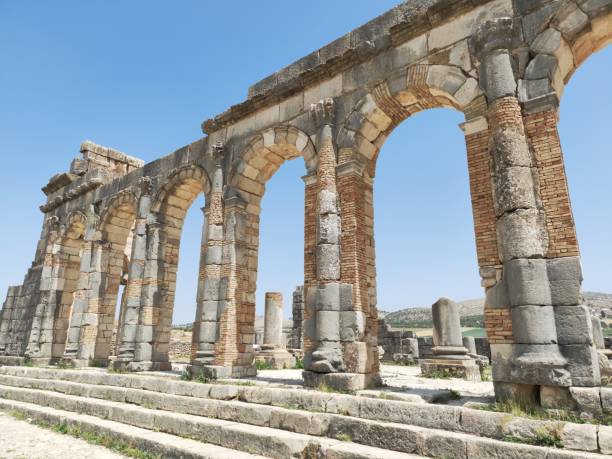
Later, Morocco came under Roman rule. The Volubilis region is a testimony to this era with its well-preserved ruins. After the fall of the Roman Empire, Morocco saw the emergence of independent Berber kingdoms.
Islamization and the Dynasties
The major turning point in Morocco’s history is the arrival of Islam in the 7th century. The first Muslim dynasties, such as the Idrissids, consolidated power and established the foundations of the Moroccan state. Idris I, founder of that dynasty, is considered the father of Morocco.
The following dynasties, such as the Almoravids, the Almohads, and the Marinids, expanded Moroccan territory and strengthened its influence in North Africa and Spain. These periods were marked by a cultural and architectural flourishing.
The Colonial Period and Independence
In the 19th century, Morocco faced European colonial ambitions. In 1912, the country became a French protectorate, with zones of Spanish influence in the north and south. This colonial period deeply marked the country, but also catalyzed nationalist movements.
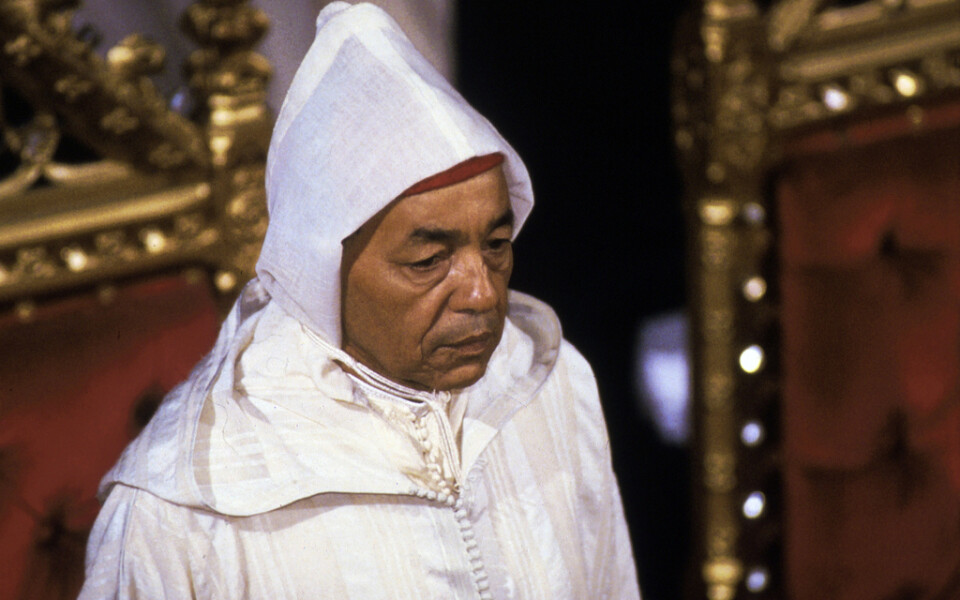
Morocco regained its independence in 1956, under the reign of King Mohammed V. Since then, the country has undertaken a process of modernization and development, while preserving its traditions and cultural heritage.
A Rich Cultural Heritage
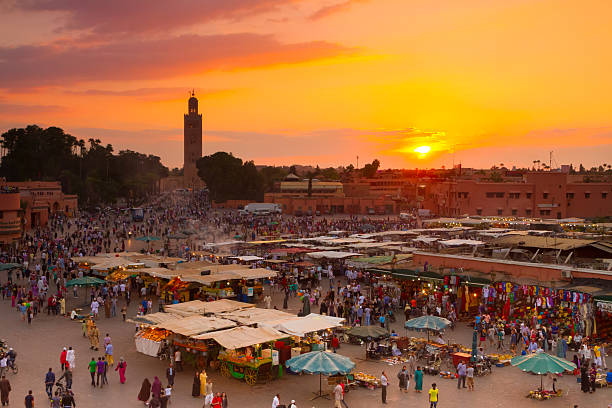
Morocco’s cultural heritage is exceptional. Historic cities such as Fes, Marrakech, Meknes, and Rabat are inscribed on the UNESCO World Heritage list. These cities house medinas, palaces, mosques, and magnificent gardens.
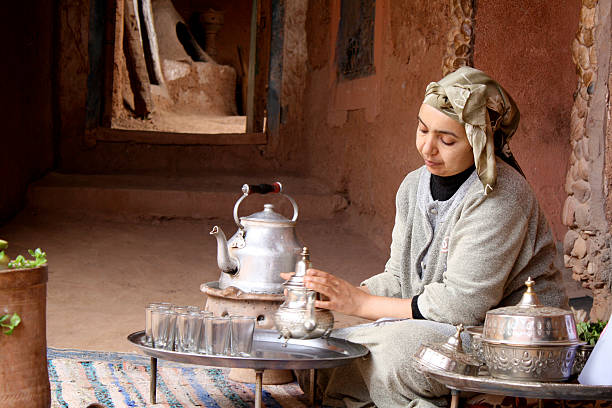
Moroccan culture is a blend of Arab, Berber, and Andalusian traditions. Moroccan music, dance, and craftsmanship are known worldwide. The Gnawa music festival in Essaouira and the rose festival in Kelaat M’Gouna are examples of Morocco’s cultural richness.
Development and Modernization
Since its independence, Morocco has experienced sustained economic growth. The country has invested in infrastructure, education, and healthcare services. Economic reforms have attracted foreign investment and stimulated growth.
Morocco is also a leader in sustainable development in Africa. The Noor solar power project in Ouarzazate is one of the largest in the world. The country is striving to become a model in renewable energy.