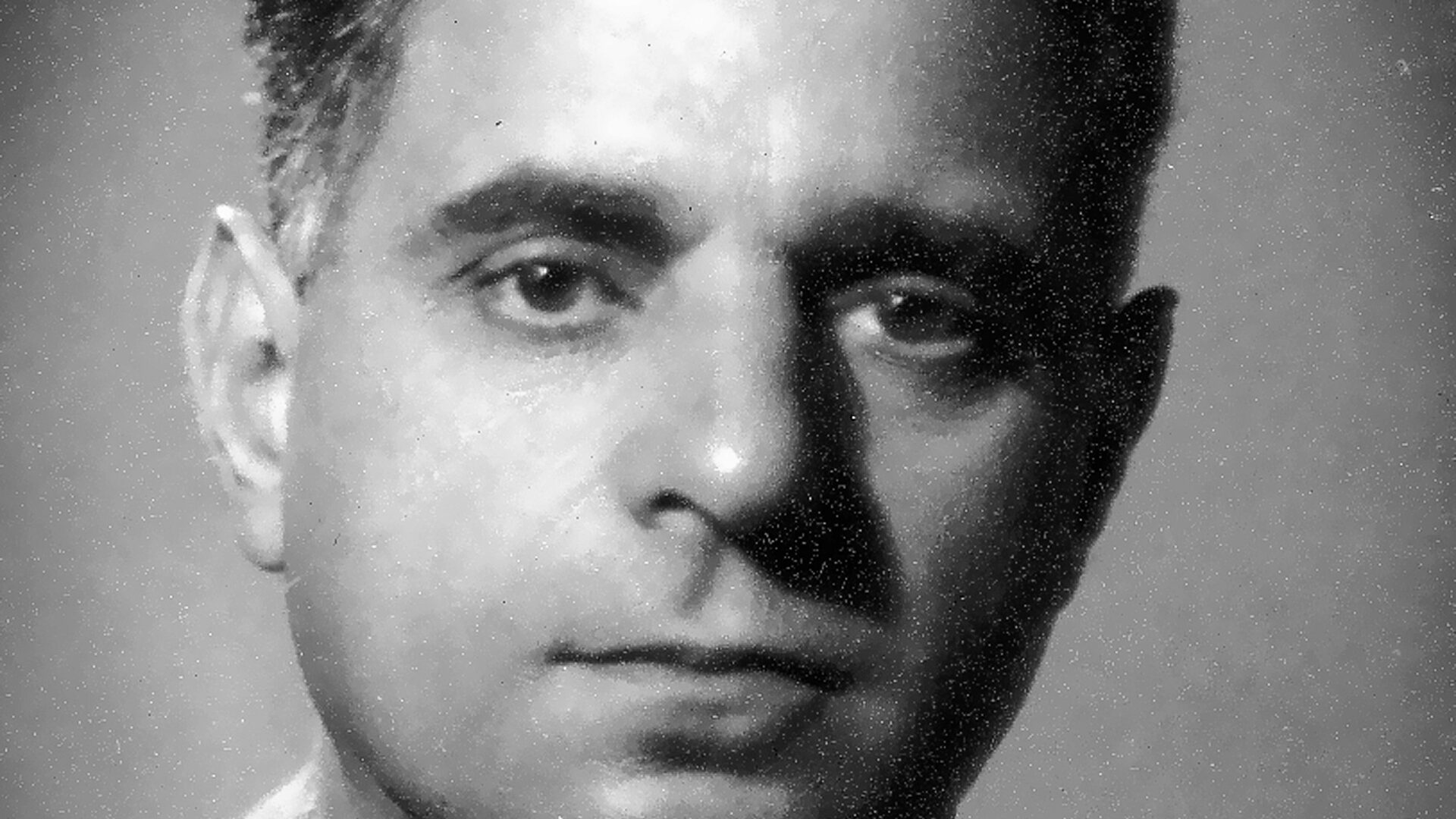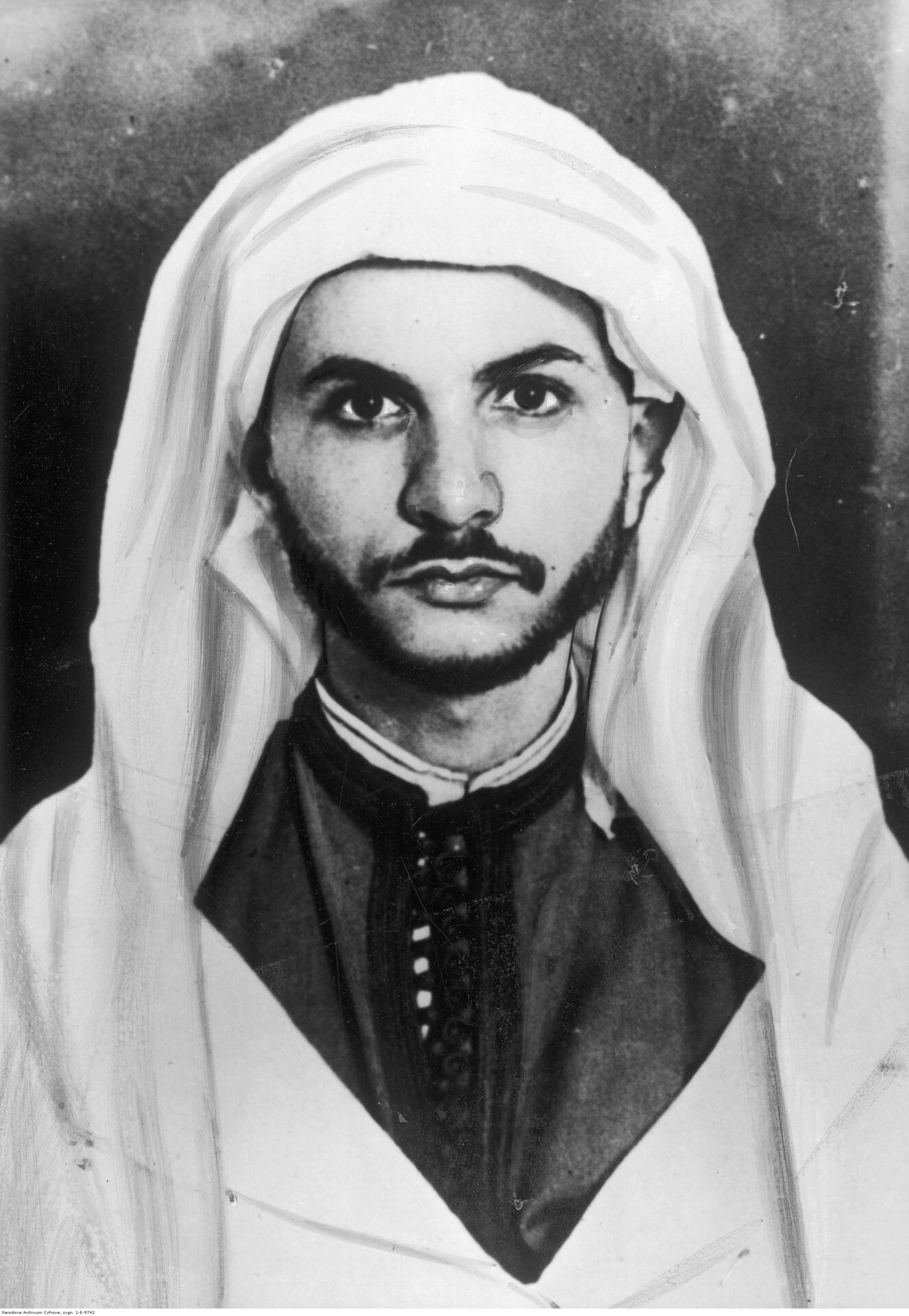
Allal El Fassi remains an emblematic figure of modern Moroccan history, recognized for his unwavering commitment to Morocco’s independence and sovereignty. Born in 1910 in Fez, El Fassi was an intellectual, a politician and an undisputed leader of the Moroccan nationalist movement.
From a young age, Allal El Fassi was imbued with a love for his country and the struggle against colonialism. He was influenced by the nationalist ideals that were emerging around the world at that time and quickly embraced the cause of Morocco’s independence.
El Fassi played a central role in founding the political party Istiqlal in 1943, which became the spearhead of the Moroccan national movement. As secretary-general of Istiqlal, he worked tirelessly to mobilize the masses and to claim the rights of the Moroccan people.
His charismatic leadership and his clear vision for the future of Morocco made him a respected and admired figure among his peers as well as the Moroccan people. He was a staunch defender of national unity and of Morocco’s cultural diversity, advocating an inclusive patriotism that brings together all components of Moroccan society.
Allal El Fassi was imprisoned several times by the French colonial authorities because of his political activism. Despite the persecutions and hardships, he never wavered in his determination to secure Morocco’s independence.
After independence in 1956, Allal El Fassi continued to play a major role in Moroccan political life as leader of Istiqlal and as a minister in several governments. He also contributed to the drafting of the Constitution of Morocco and to establishing the foundations of modern Moroccan democracy.
Allal El Fassi’s legacy remains alive in the collective memory of the Moroccan people. His struggle for independence and his dedication to the homeland continue to inspire future generations to defend the values of freedom, justice and dignity.