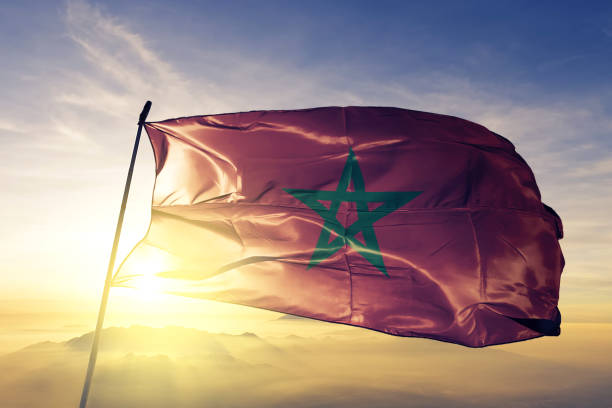
Morocco is a constitutional monarchy where the king plays a central role in the political system. Over the decades, the country has undertaken significant political reforms to modernize its institutions and strengthen democracy.
The Moroccan Monarchy
The king is the head of state and commander of the armed forces in Morocco. The Moroccan monarchy has a long history, dating back to the Idrisid dynasty in the 8th century. Currently, the country is ruled by the Alaouite dynasty, which has reigned since the 17th century.
The King of Morocco exerts significant influence over politics and society. He appoints the prime minister and key ministers, presides over the Council of Ministers, and has the power to dissolve parliament. The king is also considered the “Commander of the Faithful”, a title that reinforces his religious authority.
The Constitution and Political Reforms
Morocco has adopted several constitutions since its independence in 1956. The current constitution, adopted by referendum in 2011, introduced important reforms to strengthen the powers of parliament and the government, while maintaining the central role of the king.
The 2011 constitutional reforms were driven by the Arab Spring and protest movements in Morocco. They aimed to respond to the democratic aspirations of the population and to promote good governance.
Parliament and Government
The Moroccan parliament is bicameral, composed of the House of Representatives and the House of Councillors. The House of Representatives is elected by direct universal suffrage, while the House of Councillors is elected by electoral colleges representing the regions, trade unions, and professional chambers.
The government is led by the prime minister, appointed by the king from the political party that won the most seats in the legislative elections. The government is accountable to parliament and must obtain its confidence to govern.
Political Parties and Elections
Morocco has a diverse political landscape with many political parties. Major parties include the Justice and Development Party (PJD), the Istiqlal Party, and the National Rally of Independents (RNI). Legislative and local elections are held regularly, providing a degree of political plurality.
Human Rights and Civil Society
Morocco has made significant progress in human rights, but challenges remain. Constitutional reforms and the king’s initiatives have strengthened the protection of fundamental rights. However, civil society organizations continue to report cases of repression and restrictions on freedoms.
Moroccan civil society is active and plays an important role in promoting human rights, social justice, and community development. Local and international NGOs work on issues such as women’s rights, freedom of expression, and environmental protection.
International Relations
Morocco has a proactive foreign policy and maintains diplomatic relations with many countries around the world. The country is a member of the African Union, the Arab League, and the Organization of Islamic Cooperation.
Relations with Europe are particularly important, with Morocco having partnership and cooperation agreements with the European Union. Relations with the United States are also strategic, with cooperation on security and trade.
The Moroccan political system is unique, combining elements of traditional monarchy and modern democracy. The country continues to evolve through reforms and a gradual opening toward more participatory governance.
Morocco Politics Monarchy Reforms Democracy