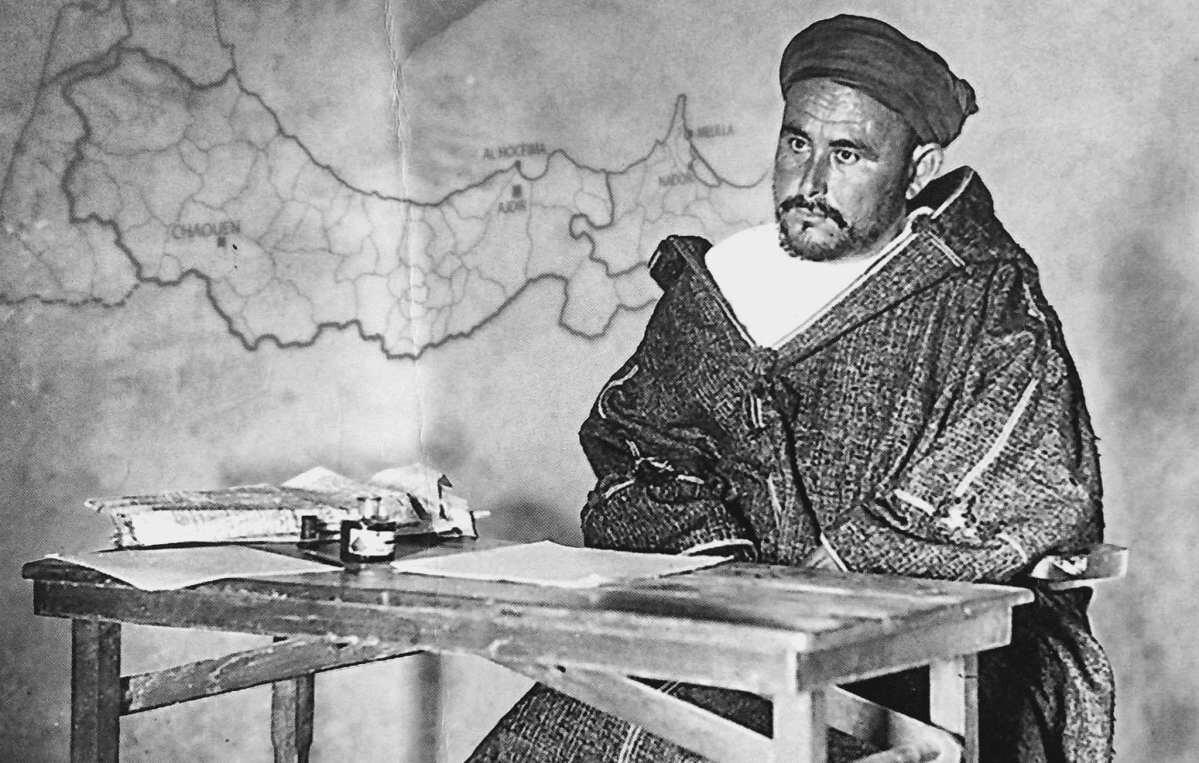
The general Abdelkrim, an emblematic figure of the Berber resistance, played a decisive role in the struggle for the independence of Morocco. His bravery and his military strategy in the Rif region at the beginning of the 20th century made him a national hero, inspiring generations of Moroccans to resist colonial oppression.
The Rif, a mountainous region in northern Morocco, has always been a bastion of resistance. The Berber people who have lived there for centuries have constantly defended their land against various invaders. The difficult geography of the Rif provided ideal terrain for guerrillas and helped forge a strong sense of identity and autonomy among the inhabitants. This region played a central role in the struggle for Morocco’s independence.
Mohamed ben Abdelkrim El Khattabi, better known as General Abdelkrim, was born in 1882 in a small village in the Rif. Born into an influential family, he received an education that was both traditional and modern, mastering Islamic sciences and European languages. This dual culture allowed Abdelkrim to form a clear vision of the need to liberate Morocco from colonial rule. In 1921, he led the Rif tribes in a decisive battle against the Spanish army at Anoual, marking a major turning point in the struggle for independence.
The victory at Anoual allowed Abdelkrim to declare the Republic of the Rif in 1923, a republic that lasted nearly five years before being crushed by a Franco-Spanish coalition. Although this republic did not survive, it had a considerable impact on the Moroccan nationalist movement. Abdelkrim’s example showed that independence was possible and inspired other Moroccan leaders to continue the fight against the colonizers.
The Rif War (1921-1926) is one of the most striking episodes of this struggle for independence. In an attempt to break Rif resistance, Spanish and French forces resorted to brutal tactics, including the use of chemical weapons. Despite intensive bombings and the suffering inflicted on the civilian population, the Rifian people continued to resist. Abdelkrim’s determination and that of his men slowed the advance of the colonial forces, demonstrating their commitment to Morocco’s freedom.
General Abdelkrim’s legacy extends far beyond the borders of the Rif. His military strategy, his unshakable determination and his vision of an independent Morocco inspired many leaders and liberation movements around the world. Abdelkrim became a symbol of the anti-colonial struggle, not only in Morocco but throughout the African continent and beyond.
Even today, Abdelkrim’s legacy is alive in Morocco. The Rif region, despite economic and social challenges, remains a symbol of resistance and national pride. The Berber people of the Rif continue to celebrate Abdelkrim’s legacy while fighting for the recognition of their cultural and linguistic rights within the framework of the Moroccan state.